Staffing Trends
The State of the Manufacturing Industry 2026
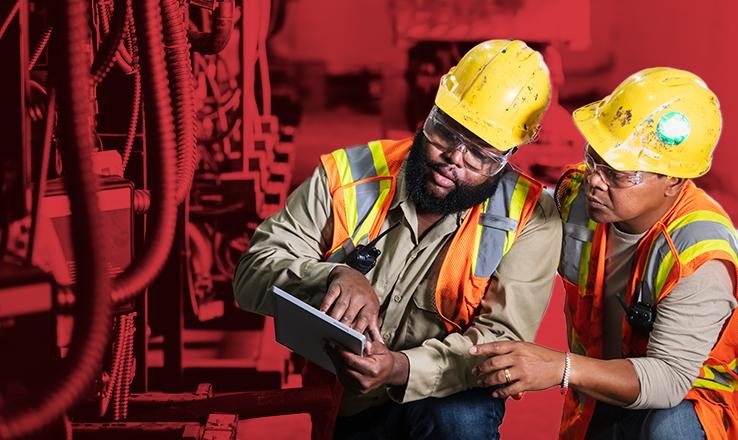
Manufacturing contributed 2.96 trillion at an annual rate to the U.S economy in Q4 2025. U.S. manufacturing employment remains resilient, with more than 12.6 million workers employed across more than 239,000 manufacturing companies nationwide.” The Manufacturing Industry remains a major employer despite ongoing workforce challenges.
In this article, we’ll take a closer look at the state of the manufacturing industry in the United States, from labor shortage solutions to how new tech is set to change day-to-day manufacturing operations.
Challenges in the Manufacturing Industry
The challenges for manufacturing industry businesses today are familiar. Unstable supply chains and labor shortages are far from new issues. However, the changing landscape of the global economy has significantly impacted how they play out and the strategies needed to combat them.
Labor Shortages
Despite economic uncertainty, manufacturers continue to struggle to fill open positions. There were approximately 474,000 manufacturing job openings in April 2026, reflecting continued demand for skilled workers. Today's labor market has reached a point where there are fewer people actively searching for work than available job openings. More than 44% of respondents named attracting and retaining talent as their top business challenge in NAM’s Q1 2026 Manufacturers’ Outlook Survey. Building a reliable workforce increasingly requires a combination of competitive compensation, workplace culture, and strategic staffing partnerships.
The Manufacturing Talent Gap is Growing
Manufacturing employers are not only competing for workers today; they are also preparing for a long-term talent gap. According to The Manufacturing Institute, the industry will likely need 3.8 million manufacturing jobs by 2033. Of those, 2.8 million jobs are expected to come from retirements, while 760,000 will come from industry growth.
This means manufacturers must do more than fill immediate openings. They need to build stronger pipelines, improve retention, and prepare for the next generation of workers for careers in modern manufacturing. Without proactive workforce planning, manufacturers may struggle to keep up with production demands, growth opportunities, and customer expectations.
Adapting to New Technology
Advances in manufacturing technology, such as automation, artificial intelligence, and data-driven tools, have enabled manufacturers to increase production, reduce downtime, and strengthen quality control. However, new technology presents both opportunities and challenges, requiring manufacturers to invest in equipment, training, and workforce development.
Workforce Trends Shaping Manufacturing in 2026
Beyond rising challenges for manufacturers, emerging trends show the potential for new investment opportunities and ways to adapt to the new landscape.
Compensation and Wage Growth
To attract and maintain workers, manufacturers continue to increase compensation. The average manufacturing employee earned $106,691 in pay and benefits, while average hourly earnings reached $30.10 for production and nonsupervisory workers in 2026. These wage gains reflect the industry’s ongoing need for skilled workers. However, higher compensation alone has not solved workforce challenges. Many manufacturers are also turning to automation, artificial intelligence, and smart factory technologies to improve productivity and support their existing workforce.
Retention and Employment Development Are Priorities
Manufacturers are forced to place greater emphasis on employee retention and development amid continued competition for skilled workers. Career advancement opportunities, skills training, and positive workplace cultures are becoming essential tools for attracting and keeping talent. By helping employees build new skills and advance their careers, employers can strengthen workforce stability, reduce turnover, and create a more engaged workforce.
Manufacturers Are Planning for Long-Term Workforce Needs
Manufacturers are taking a more strategic approach to workforce planning in 2026. Many organizations are adopting a “build, buy, or borrow” approach to strengthen their workforce, remaining flexible in a changing labor market. The “build” strategy focuses on investing in existing employees through competitive wages, skills development, and improvements to overall employee experience. The “buy” strategy involves recruiting external talent with specialized skills that may be difficult or time-consuming to develop internally. Finally, the “borrow” strategy allows manufacturers to remain agile by utilizing temporary workers, contract labor, or staffing partners to meet fluctuating production demands.
-
Maintenance: Manufacturers have already begun using AI tools to assess and predict their maintenance needs. This allows companies to better plan facility shutdowns and schedule maintenance without sacrificing productivity.
-
Analytics: One of the things AI is best at is aggregating data, and manufacturers investing in AI tools plan in large part to use it to find opportunities to increase efficiency and profit margins.
-
Design innovations: While AI is far from replacing engineers, it has the potential to revolutionize the design process for new products. Manufacturers can use AI tools to evaluate existing products and suggest changes.
How Manufacturing Companies Can Overcome Staffing Challenges
Despite new opportunities, employers still need practical ways to manage labor shortages, changing workforce expectations, and fluctuating production demands. As manufacturers plan for long-term workforce needs, a proactive staffing strategy can help them stay productive and competitive.
Determine Your Staffing Needs
One of the most important ways to be proactive about maintaining a full staff is to clearly understand your staffing needs. Manufacturers should regularly evaluate production schedules, seasonal demand, upcoming projects, and skill gaps. Having a plan in place before a staffing shortage occurs can help companies avoid production delays and missed deadlines.
Find Flexible Solutions
For smaller operations or teams with limited full-time staff, losing even one or two workers can slow production and create scheduling challenges. In these situations, hiring a full-time employee may not be fast or practical enough. Flexible staffing solutions can help manufacturers adjust to cover absences, support seasonal demand, and keep production moving during temporary labor shortages.
Focus On Employee Retention
Anyone who has managed a team of employees knows how difficult (and costly) it is to replace a full-time employee. The hiring process can also take months from start to finish. To avoid the cost and effort of replacing an employee, manufacturers should focus on competitive pay, benefits, training opportunities, clear career paths, and a positive work environment. Employee development is especially important as technology changes the skills needed in manufacturing.
Form a Partnership With a Staffing Agency
Managing a manufacturing business comes with enough challenges, and recruiting can add another layer of pressure. Working with a staffing partner can help manufacturers access qualified workers more quickly. A reliable staffing agency can support short-term needs, help with fluctuating demand, and connect employers with dependable workers.
What to Look for in a Staffing Partner
-
Reliability: A staffing partner is no good to you if they don’t respond promptly to your staffing needs. Look for a company with a high rating and reputation for reliability.
-
Versatility: Every manufacturing business is different. Your staffing partner should be able to staff any kind of worker you might need. You also need a staffing company that can scale to meet your labor needs as your business grows.
-
Value-added services: One of the best parts of using a staffing service is that it can handle the payroll, insurance, and workers’ comp paperwork. You get your skilled workers fast, and the agency handles the rest.