Safety
7 Workplace Safety Tips Every Worker Should Know
Whether you're working on a construction site, loading trucks in a warehouse, or operating equipment in a manufacturing facility, staying safe should always be a priority.
Workplace accidents can happen to anyone, even experienced workers. That's why it's important to recognize potential hazards, follow safety procedures, and use the right protective equipment.
If you're starting a new job or temporary assignment, you may be working in an unfamiliar environment with different equipment, coworkers, and safety rules.
Here are seven workplace safety tips to help you recognize hazards, reduce your risk of injury, and protect yourself and your coworkers on the job.
1. Wear the Right Personal Protective Equipment (PPE)
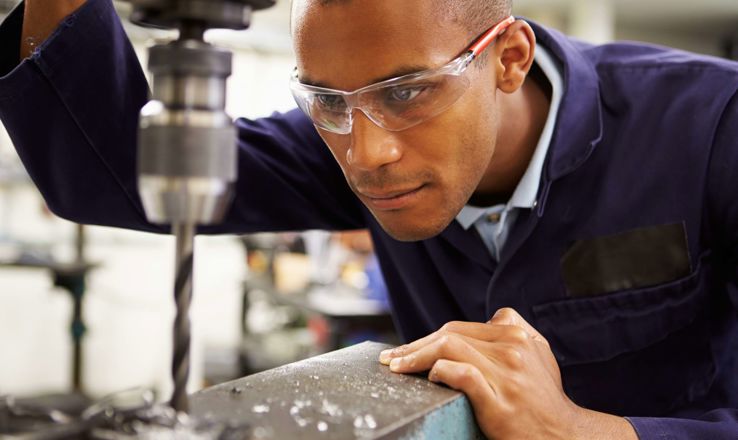
Personal protective equipment, or PPE, helps protect workers from certain workplace hazards. Depending on your job, you may need safety glasses, gloves, hard hats, hearing protection, or protective footwear.
Before starting work, make sure you understand which equipment is required, how to wear it correctly, and when it needs to be replaced.
Remember, PPE is only one part of workplace safety. It doesn't replace proper training, safe equipment, or other measures that help prevent accidents.
2. Know the Hazards Before Starting Work
Every workplace has potential hazards. On a construction site, you might encounter falling objects, uneven surfaces, or moving equipment. In a warehouse, you may work around forklifts, heavy materials, and busy loading areas.
Don't assume every workplace follows the same procedures. Even if you've performed similar work before, a new job site may have different safety requirements.
Safety Tip: If you don't understand a task or its safety requirements, ask questions before getting started.
3. Use Tools and Equipment Only When Trained and Authorized
Using equipment incorrectly can put you and your coworkers at risk. Whether you're operating a forklift, using power tools, or working with machinery, make sure you've received the appropriate training and authorization before using the equipment.
Never operate machinery simply because you've watched someone else use it.
Before using equipment:
Check for visible damage or missing safety guards.
Follow the manufacturer's instructions and workplace procedures.
Use the equipment only for its intended purpose.
Keep your hands and body away from moving parts.
Report damaged or malfunctioning equipment immediately.
Taking a few minutes to ask questions can help prevent serious injuries.
4. Practice Safe Lifting and Material Handling
Lifting, carrying, pushing, and pulling materials are common tasks in construction, warehousing, and general labor jobs.
However, moving heavy or awkward objects can cause injuries, especially when workers rush or try to handle more weight than they can safely manage.
To reduce your risk of injury:
- Check the weight and size of an object before moving it.
- Use carts, dollies, pallet jacks, or other approved equipment when available.
- Ask for help when an item is too heavy or difficult to handle alone.
- Follow your employer's training for lifting and material handling.
Remember, safe lifting isn't just about how you bend your knees. The weight, size, and shape of an object also affect how safely it can be moved.
Safety Tip: If you can't safely lift or move something, don't force it. Ask your supervisor about a safer way to complete the task.
5. Keep Your Work Area Clean and Organized
A cluttered work area can create unnecessary hazards. Loose tools, spilled liquids, tangled cords, and materials left in walkways can cause slips, trips, falls, and other accidents.
Whether you're working indoors or outdoors, keeping your workspace organized is an important part of workplace safety. You don't have to wait until the end of your shift to address housekeeping concerns.
Taking care of your work area throughout the day can help protect everyone on the job.
6. Communicate With Your Supervisor and Coworkers
Good communication helps prevent workplace accidents. If you're unsure about a task, notice a potential hazard, or need assistance, speak up.
For example, if you're working in a warehouse and notice a forklift approaching an area where coworkers are moving materials, alert the appropriate people, and follow the site's traffic safety procedures.
Communication is especially important when working around heavy equipment, moving vehicles, or other workers performing different tasks. Don't assume someone else has already reported a problem.
If you notice something that could cause an injury, bring it to your supervisor's attention.
7. Report Unsafe Conditions and Near Misses
An unsafe condition doesn't have to cause an injury before it becomes a concern. A near miss happens when an incident could have caused an injury or damage but didn't.
Reporting unsafe conditions and near misses gives employers an opportunity to address hazards before someone gets hurt.
Common examples include:
- Damaged tools or equipment.
- Missing machine guards.
- Blocked emergency exits.
- Unsecured materials stored overhead.
- Unsafe work practices.
- Equipment operating unexpectedly.
If you notice a hazard, move away from immediate danger and notify your supervisor. Don't attempt to repair or correct a dangerous condition unless you're trained and authorized to do so.
Safety Tip: Reporting a problem isn't about getting someone in trouble. It's about helping prevent injuries and keeping the workplace safe.
Workplace Safety Tips for Temporary Workers
Starting a temporary assignment can mean working at a new location with unfamiliar equipment, procedures, and coworkers.
Even if you have years of experience, it's important to understand the specific safety requirements of each job site.
Before starting an assignment, make sure you know:
- What tasks you're expected to perform.
- Which tools and equipment you're authorized to use.
- What protective equipment is required.
- What safety training you need.
- Where emergency exits and first aid resources are located.
- Who to contact about unsafe conditions or injuries.
Your staffing agency and the company where you're assigned both have responsibilities for protecting temporary workers.
If you're working through Labor Finders and have a safety concern, notify your worksite supervisor and contact your local Labor Finders branch.
You should also speak up if you're asked to perform work outside your assigned duties or operate equipment without the required training.
No matter how short an assignment may be, workplace safety matters.
What Should You Do If You Notice an Unsafe Condition?
If you encounter a dangerous situation at work, don't ignore it or assume someone else will take care of it.
Follow these steps:
Step 1: Move Away From Immediate Danger
If you can do so safely, stop the affected task and move away from the hazard.
Step 2: Notify Your Supervisor
Explain what you observed, where the hazard is located, and why you're concerned.
Step 3: Contact Your Staffing Agency
If you're working a temporary assignment, let your staffing agency know about the concern, especially if it involves your assigned duties, training, or equipment.
Step 4: Follow the Appropriate Safety Procedures
Do not resume hazardous work until the concern has been addressed and you have the necessary instructions, training, and protective measures.
If an injury occurs, seek appropriate medical attention and report the incident promptly. For an immediate emergency, call 911 or follow the workplace's emergency response procedures.
Workers also have the right to report unsafe conditions to OSHA without retaliation.
Work Safely with Labor Finders
Whether you're starting your first job or have years of experience, workplace safety should always be a priority.
Remember to wear the right protective equipment, understand your job site's hazards, follow safety procedures, and speak up when something doesn't seem right.
At Labor Finders, we believe every worker deserves a safe work environment. We work with businesses across industries such as construction, manufacturing, warehousing, hospitality, and property maintenance to connect job seekers with employment opportunities.
Ready to find your next opportunity? Visit your local Labor Finders branch to learn about available jobs that match your skills and experience.